Define the job before collecting candidates
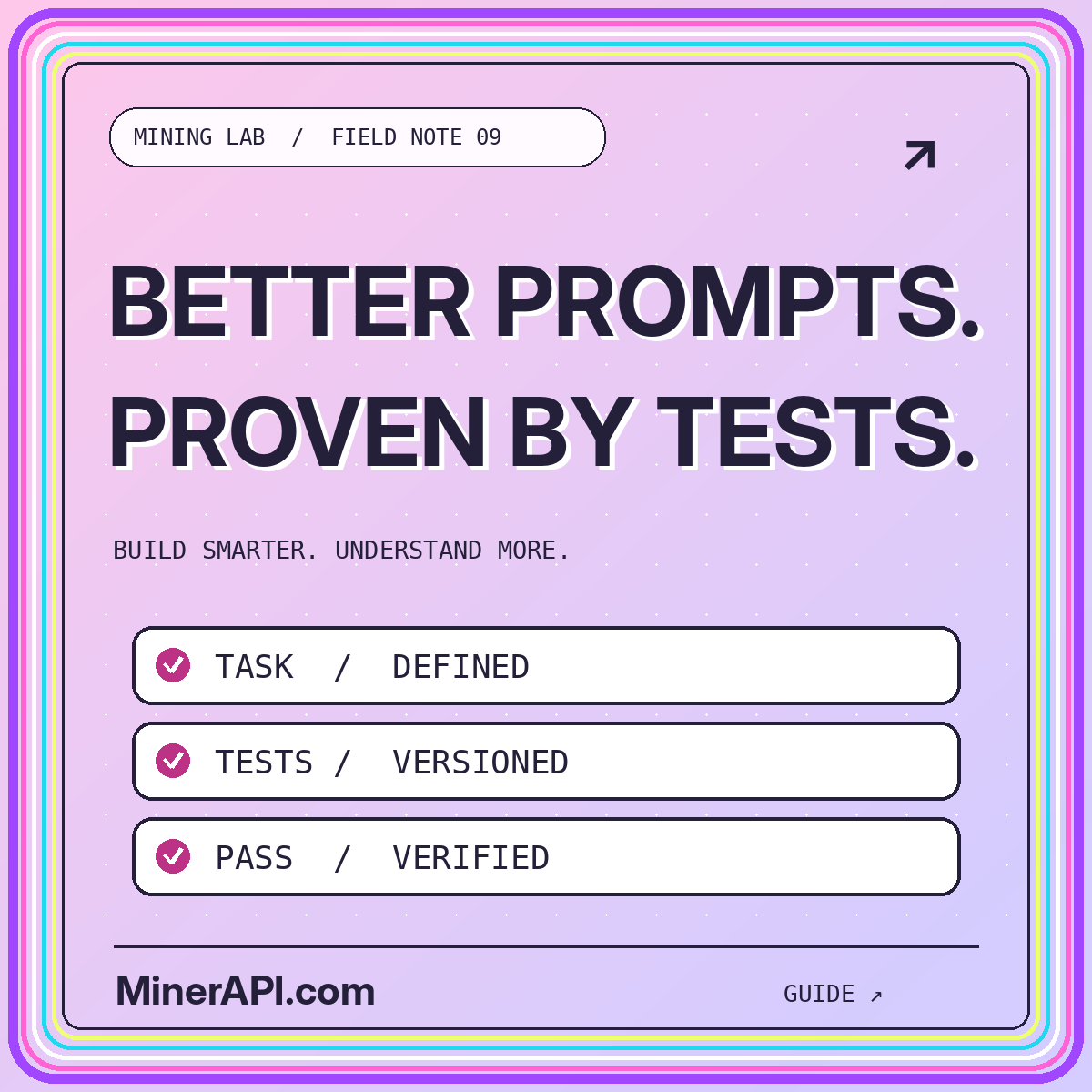
Start with a task and its success criteria. Decide what the input looks like, which properties the output must satisfy, and where human review is necessary. A prompt collection without these boundaries is difficult to evaluate consistently.
Build a small evaluation set
Use representative, appropriately authorized examples and include ambiguous or incomplete inputs. Preserve dataset and rubric versions. Compare candidates under compatible conditions and inspect failures rather than selecting a prompt from one impressive response.
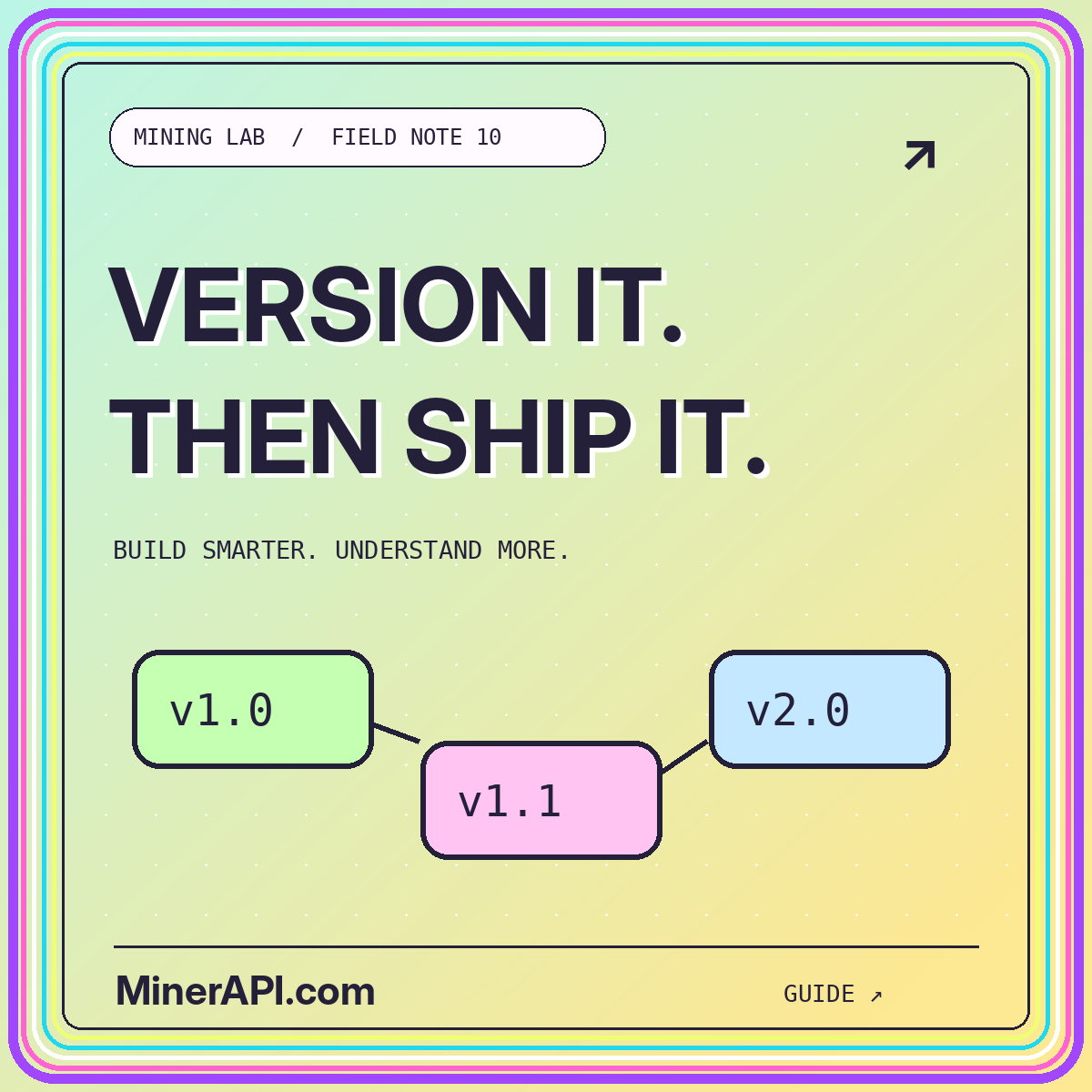
Turn evidence into a versioned record
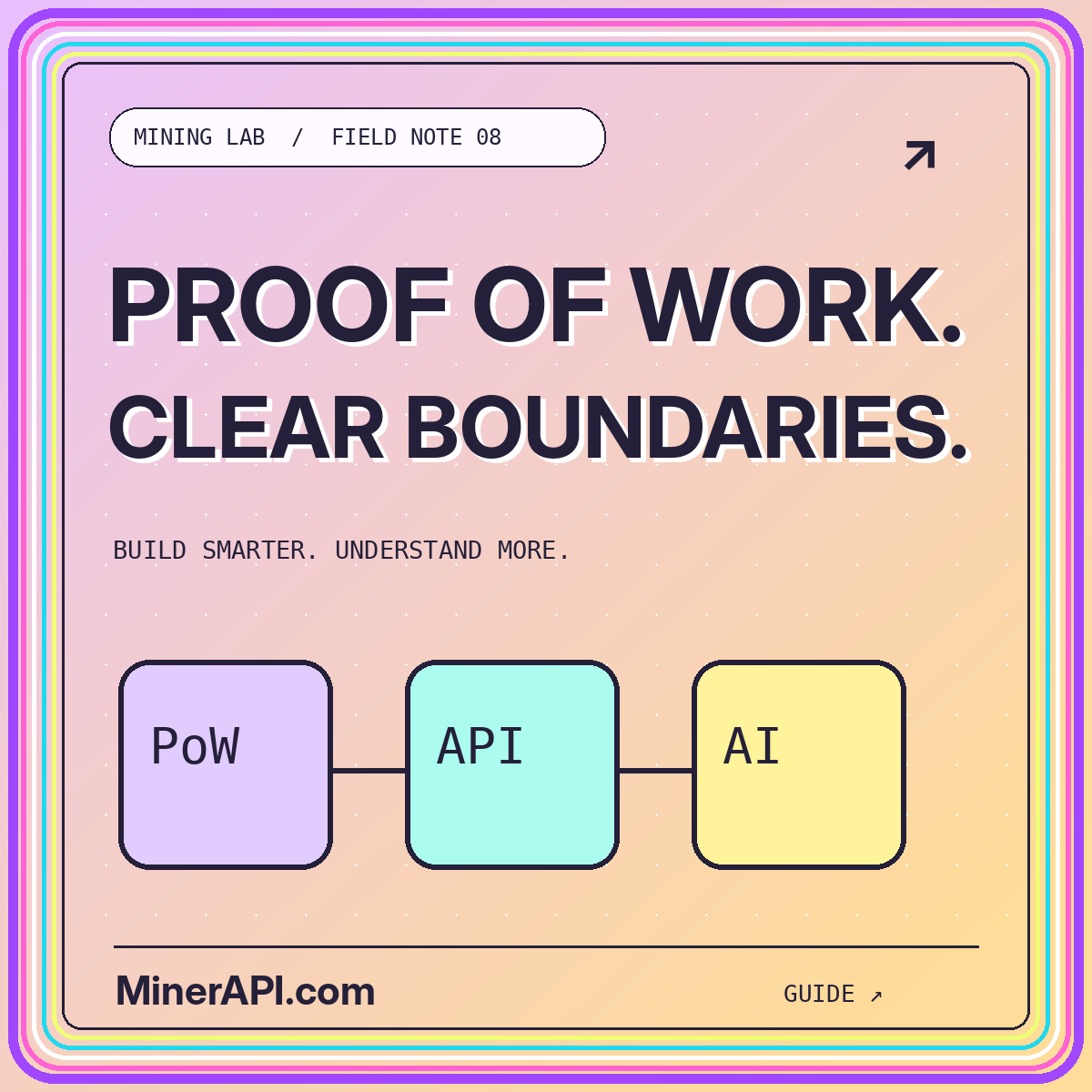
The workflow guide explains prompt identity, immutable revisions, input validation, and release history. Keep execution separate from evaluation and do not treat generated instructions as permission to perform sensitive actions. Your application must enforce its own access controls.
Try a consumer without calling a model
The public prompt fixture illustrates record metadata and fictional test counts. Fetch it from the quickstart, inspect the required input variables, and render the revision and sample evaluation state. This exercise requires no provider key and does not execute a model. Use it to settle your response contract before introducing an authorized execution environment.